
Fireplace and Fire Pit ideas: That Bring Kitchen Heat

Fireplace and fire pit designs are making their way into modern kitchen layouts, especially in open-plan and outdoor spaces. A built-in gas fireplace near the dining nook or a sleek fire pit on the patio adds warmth, style, and function. These features create cozy gathering spots without overwhelming the kitchen’s layout or workflow.
Thinking about adding a fireplace or fire pit to your kitchen space? Good call. A fire feature instantly brings warmth and character, indoors or out. But the trick is making it look natural and not like it was thrown in last minute. You’ve got to think about placement, materials, and what actually fits your kitchen’s vibe.
If you’re into that cozy, lived-in feel, fire features pair perfectly with farmhouse style kitchens. And don’t skip the small stuff like lighting and fixtures. It all adds up to a space that feels warm, not just looks it.
Here’s what we’ll cover:
- Best fireplace and fire pit styles for kitchens
- Where to place them so they actually make sense
- What it’ll cost and what to avoid
- Easy design tips to make it all click
Fireplace and Fire Pit ideas:
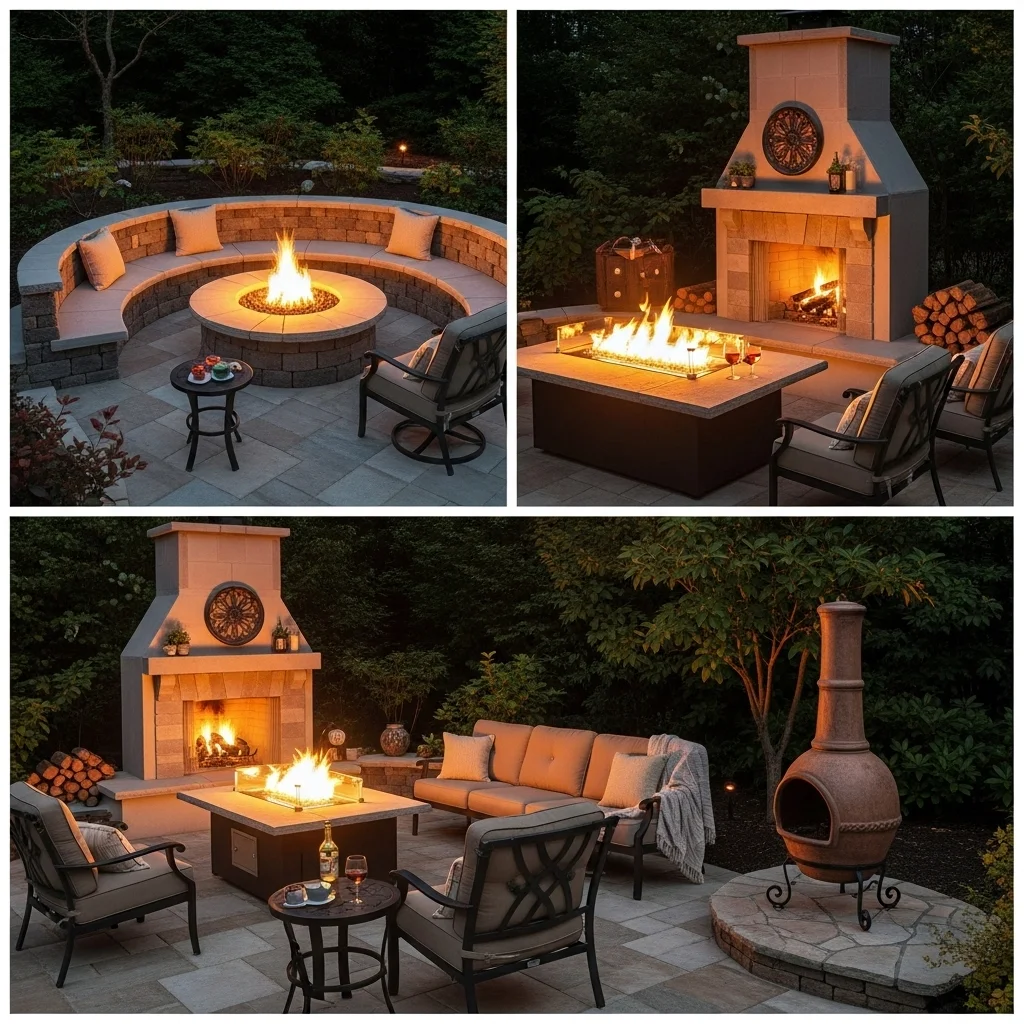
Fire features add warmth, style, and a natural gathering point to any outdoor space. Check few kitchen fireplace ideas forms:
- Fire pits: Open, circular or square, great for group seating
- Fire tables: Combine flame and function with space for food or drinks
- Outdoor fireplaces: Vertical, directional heat with built-in structure
- Chimeneas: Freestanding, often clay or cast iron, with a chimney-like stack
⚙️ Fuel Types
| Fuel | Pros | Tradeoffs |
|---|---|---|
| Wood | Authentic, high heat | Smoke, ash, regulations |
| Propane | Portable, clean, instant start | Fuel cost, tank storage |
| Natural Gas | Consistent, lower long-term cost | Needs fixed line, permits |
| Electric | Simple, safe, no fumes | Lower heat, needs outlet |
| Ethanol | Sleek, ventless, eco-friendly | Shorter burn, pricier refills |
💡 Tip: Natural gas setups can cut fuel costs by up to 50% over time.
Choosing kitchen fireplace ideas, Style & Fuel
Picking the right fire feature isn’t just about looks, it’s about function, fuel, and how you actually live in kitchen space. The design you choose shapes everything from seating layout to heat output to maintenance routine. Here’s make sense of the main options.
Fire Pit vs. Outdoor Fireplace vs. Fire Table
Each style brings a different vibe, and utility.
- Fire Pit: Circular or square, usually open on all sides. Great for group seating and casual gatherings. Often built into hardscapes or sold as standalone units.
- Outdoor Fireplace: Tall and directional with a chimney or flue. Adds structure, wind protection, and more visual weight ideal for patios that double as outdoor living rooms.
- Fire Table: A hybrid option with a central flame and tabletop edge. Sleek, modern, and great for dining spaces or smaller patios.
Wood‑Burning: Charm, Heat, and a Bit of Smoke
Wood fire features offer unmatched ambiance and heat, but there’s a tradeoff.
- Pros: Natural flames, audible crackle, budget-friendly builds
- Cons: Smoke drift, ash cleanup, and potential fire bans in dry areas
- Cost Range: ~$300–$1,500 for quality wood-burning fire pits
Stat: Wood fires can emit 50–70% more heat than propane but require 2–3x more upkeep.
Propane & Natural Gas: Clean Flame, Less Hassle
Gas fire features are known for ease of use and consistent performance.
- Propane: Portable, no permanent hookup needed perfect for renters or patios without gas lines
- Natural Gas: Best for permanent builds with higher usage; lower cost per hour once installed
- Considerations: Professional install for gas lines, permits, ventilation
Insight: Natural gas is often 30–50% cheaper per BTU than propane over the long term.
Electric & Ethanol: Plug‑and‑Play Convenience
These fuel types are all about low-maintenance luxury.
- Electric: No flame, but radiant heat and realistic visuals. Best for covered spaces or balconies.
- Ethanol/Gel: Ventless, modern design appeal. Great for mood-setting, not as strong on heat.
- Perks: No smoke, no piping, minimal setup
♻️ Good to Know: Ethanol is clean-burning and eco-friendly but burns shorter and costs more per refill.
Materials & Components That Matter
Fire features, what they’re made of isn’t just about looks durability, safety, and performance hinge on choosing the right materials and parts.
Construction Essentials: Stone, Brick, Concrete, Metal
The foundation depends on solid materials that can withstand heat and weather. Durability isn’t just a preference, it impacts safety and how long your investment lasts under sun, rain, and flame.
- Stone & Brick: Classic, long-lasting, and heat-resistant. They absorb and radiate warmth well but can be costly and heavy to install.
- Concrete: Versatile and affordable, often used for custom shapes and finishes. Requires proper sealing to avoid cracks over time.
- Metal: Lightweight and modern, usually steel or cast iron. Metal units heat up quickly but cool down faster, and some require rust protection.
Fire Media Choices: Glass, Lava Rock, Logs
The right media keeps flames steady, safe, and visually appealing. Fire media doesn’t just fill the pit; it controls airflow, flame behavior, and the look of your fire.
- Glass Beads or Nuggets: Reflective, modern aesthetic. Retain heat and resist wear, but no actual burning.
- Lava Rock: Porous and heat-resistant, it’s great for gas fire pits, helps disperse flames evenly.
- Ceramic Logs: Designed for gas fireplaces to mimic real wood’s look without the mess or smoke.
Key Parts & Manuals: Burners, Ignition Systems, and More
Selecting sturdy materials and understanding key components ensures your fire feature is both a showpiece and a reliable source of warmth. Behind every smooth fire feature is quality hardware.
- Burners: The heart of gas and propane units. Materials and design affect flame size and heat output.
- Ignition Systems: From manual to push-button electronic starters—ease of use varies widely.
- Brand-Specific Manuals: Essential for setup, troubleshooting, and safety. For example, HPC fire pit manuals guide owners through maintenance and parts replacement.
Knowing your parts and having access to manuals can save frustration and keep your fire feature running safely for years.
Sizing, Placement & Design Integration
Getting the size and spot right can make or break your fire feature’s comfort and safety. It’s more than just fitting the space it’s about flow, function, and compliance.
Optimal Size & Seating Radius
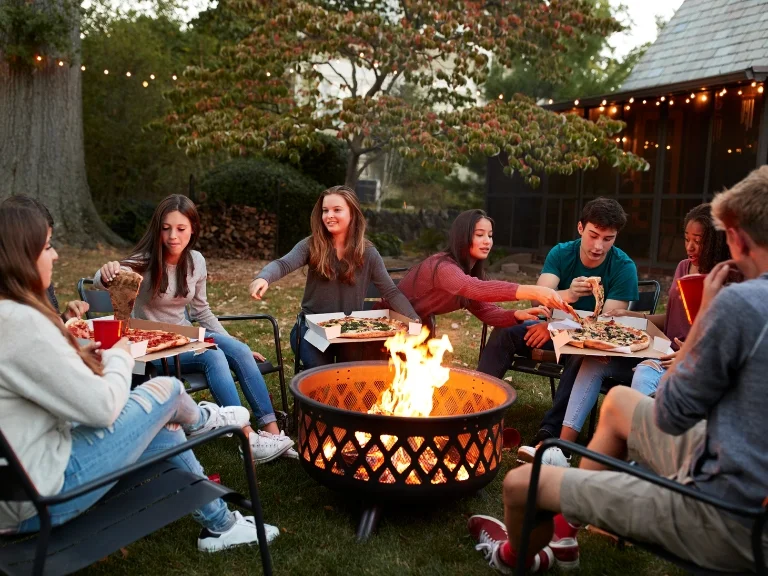
Most fire pits work best between 3 to 4.5 feet in diameter, comfortably seating up to four people. This size hits the sweet spot for warmth and conversation without overcrowding.
If you’re aiming for larger gatherings, consider multiple features or bigger setups, but remember that heat disperses unevenly beyond 5 feet.
🛡️ Safety Clearances
Keeping your fire feature at least 10 to 25 feet away from buildings, fences, and flammable materials is critical. Wind patterns can push smoke and sparks further than you’d expect, so factor that in.
Check local regulations and homeowners’ association (HOA) rules, some communities have strict fire pit guidelines or require permits to prevent hazards.
🎨 Style Contextualization
Your fire feature should feel like part of the whole outdoor living area, not an afterthought.
- On patios or decks, balance size with available space and traffic flow.
- Near outdoor kitchens, position for easy access but avoid smoke blowing into cooking or dining spots.
- Use complementary materials, stone, tile, or metal finishes, to tie the fire feature into surrounding design elements.
Well-planned placement turns a fire pit or fireplace from a standalone element into the centerpiece that pulls your outdoor room together.
Installation: DIY vs. Pro
Setting up a fire feature can be a weekend project, or a job best left to the experts. Knowing what’s involved helps decide the right path for your budget and skill level.
DIY Step‑By‑Step Guide
For simpler fire pits or tables, a DIY install can save money and be surprisingly doable with the right prep.
- Tools & Materials: Shovels, level, gravel or sand for base, firebrick lining, fire-resistant mortar
- Process Overview:
- Clear and level the site
- Dig and lay a stable base with compacted gravel
- Build walls using firebrick or stone, ensuring even spacing
- Install fire media and accessories according to instructions
Professional Installation
Hiring a pro reduces risks, ensures safety, and often comes with warranties that DIY can’t match. Complex features, especially gas-fueled ones, often require certified pros.
- Gas Hookups: Safe connection to propane tanks or natural gas lines, complying with plumbing codes
- Structural Build: Ensuring the fire feature’s foundation and surrounding hardscape meet local building regulations
- Permits & Inspections: Professionals handle paperwork and inspections, reducing liability
Performance, Functionality & Extras
Beyond looks, a fire feature’s real value lies in how well it heats, functions, and adapts to your lifestyle. Understanding heat levels helps match your feature to your outdoor climate and use patterns. These details often shape day-to-day satisfaction.
Heat Output & Ambiance Levels by Type
- Wood-burning offers the highest heat and classic flicker, creating a cozy, rustic atmosphere.
- Gas-powered units deliver steady, controllable flames with less smoke, ideal for quick warmth and low maintenance.
- Electric and ethanol options provide ambiance with minimal heat, perfect for smaller or covered spaces.
Smoke Control: Dual-Wall & Smokeless Models
Newer designs often include dual-wall construction or smokeless technology to reduce smoke drifting and improve airflow. These innovations not only enhance comfort but also make fire features more neighborhood- and HOA-friendly by minimizing smoke nuisance.
Multi-Use Add‑Ons
Accessories extend the feature’s function, making it a centerpiece for socializing and outdoor living year-round. Turn your fire feature into a multitasker with practical extras:
- Cooking grates for grilling over open flames
- Tabletops that double as serving or dining surfaces
- Spark screens and covers to boost safety and protect your investment from the elements
Ready to upgrade your kitchen’s look? Check out our expert kitchen backsplash and flooring services to give your space a fresh, stylish makeover.
Maintenance & Safety Essentials
A fire feature’s charm fades fast without regular care and attention. Staying on top of maintenance keeps things safe, efficient, and inviting.
🧹 Cleaning Basics
Routine upkeep extends your fire feature’s lifespan and keeps flames looking their best.
- Ash Removal: For wood fires, clear ashes regularly to maintain airflow and prevent buildup.
- Media Inspection: Check glass, lava rocks, or ceramic logs for cracks or wear; replace as needed.
- Burner Care: Gas burners need periodic cleaning to avoid clogs and ensure even flames.
🛡️ Safety Checklist
- Use spark screens to catch embers and prevent accidents.
- Keep a fire extinguisher nearby, especially for wood-burning features.
- Maintain safe distances 10 to 25 feet, from buildings, trees, and combustible materials.
Safety isn’t just a guideline; it’s the key to enjoying your fire feature without worry.
🔍 Annual Inspections
Investing time in annual inspections helps avoid costly repairs and keeps your outdoor fires burning bright and safe. Professional checks go beyond cleaning:
- Chimney Sweeping to remove creosote buildup and prevent fires.
- Gas Line Checks for leaks or damage in propane or natural gas setups.
- Follow manufacturer inspection points, especially for brand-specific units like HPC models.
Inspiration & Cost Benchmarks
A fire feature can be a showstopper or a subtle accent, depending on your style and budget. Here are ideas with cost.
🎨 Style Ideas
Each style shapes how your outdoor space feels and functions.
- Masonry Hearths: Timeless stone or brick fireplaces that anchor patios with a classic vibe.
- Chimeneas: Freestanding, often clay or cast iron, bringing rustic charm and portability.
- Statement Tables: Modern fire tables that blend function and flame for dining or lounging areas.
- Built-in Seating: Fire pits surrounded by custom benches or walls, creating intimate gathering spots.
💸 Budget Snapshot
Costs vary based on materials, fuel type, size, and labor. Planning upfront can save surprises later and help balance your dream with your wallet.
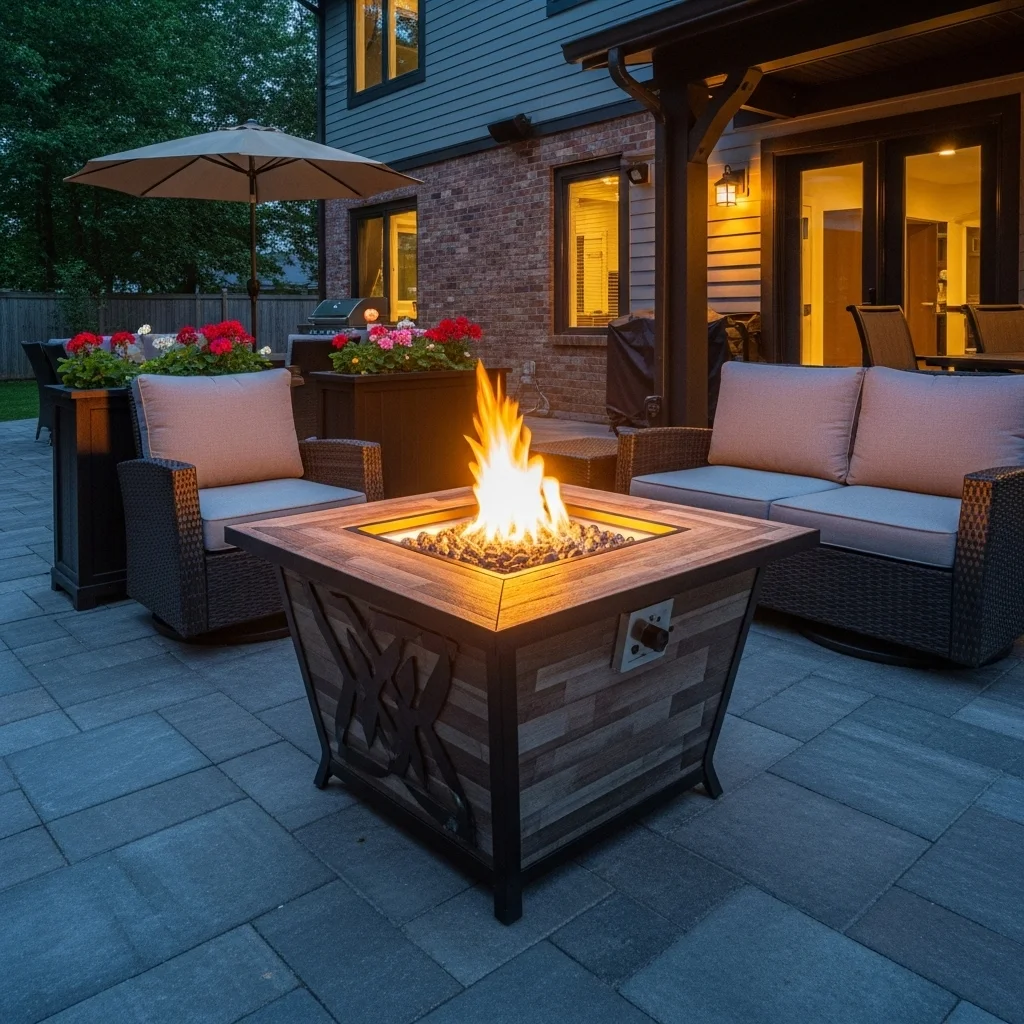
- Propane Fire Pit: Around $6,000 installed, offering portability and clean flame.
- Built-in Outdoor Fireplace: Starting at $25,000+, reflecting custom design and permanent construction.
Buying Tips:
Navigating fire features raises common questions and practical concerns. Guide to help make the buying process smoother.
🔥 Pit vs. Fireplace Differences
Depends on space, style, and how you plan to use it.
- Fire Pit: Open design, often circular, ideal for casual, 360-degree seating and socializing.
- Outdoor Fireplace: Vertical structure with chimney, directs heat one way, offers more shelter from wind and a formal look.
📜 Regulatory & HOA Considerations
Local rules vary widely; some areas restrict wood-burning fires, require permits for gas lines, or impose size and placement limits. Checking with your city and HOA can prevent costly fines and delays.
💡 Fuel Cost Comparison & Efficiency Tips
- Natural Gas generally costs 30–50% less than propane over time but needs a fixed line.
- Wood is inexpensive upfront but involves cleanup and occasional purchase.
- Electric and Ethanol have higher fuel costs and lower heat output but shine in low-maintenance settings.
Why Fire Features Matter
Fire features do more than warm your evenings, they extend your outdoor season and transform your backyard into a gathering spot.
🌡️ Extended Outdoor Season
Adding a reliable heat source lets you enjoy patios and decks well beyond summer, bringing comfort during chilly nights and cooler months.
🏡 Added Home Value & Ambiance
A well-designed fireplace or fire pit boosts curb appeal and can increase property value by up to 12%, while creating a cozy atmosphere that invites friends and family.
🎉 Memory-Making & Entertaining Benefits
Fire features become the backdrop for stories, celebrations, and quiet moments alike, turning ordinary gatherings into lasting memories.