Can You Remodel a Kitchen Without Changing the Layout?

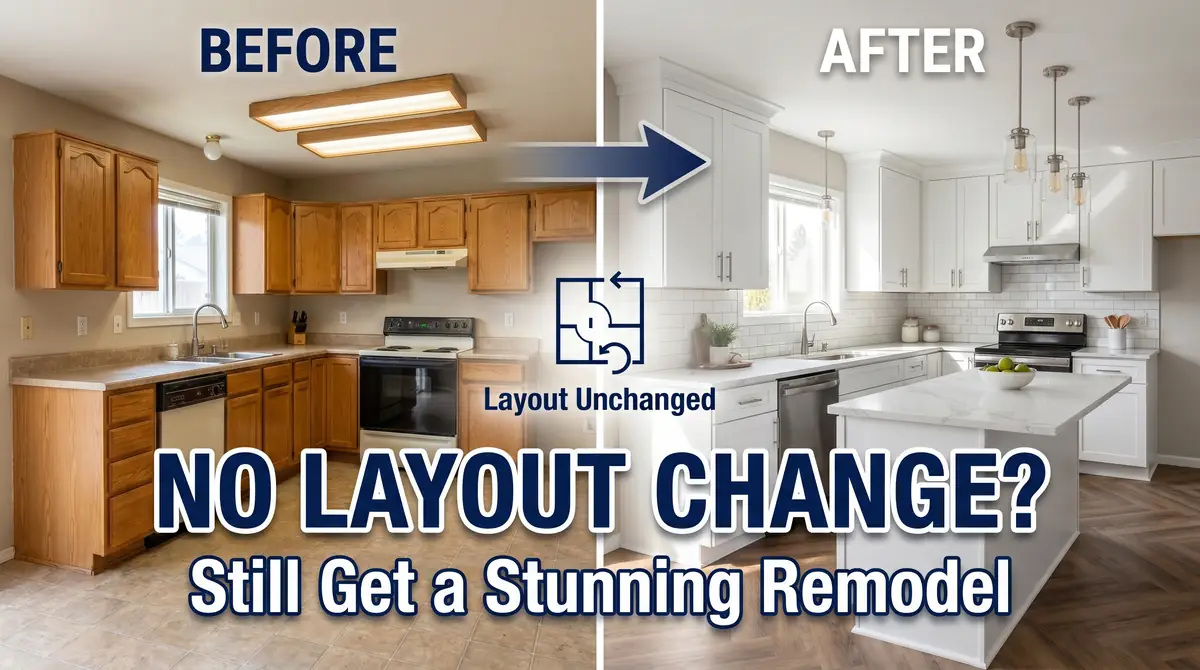
Remodeling a kitchen without changing the layout is often one of the most practical ways to improve a home’s appearance and functionality while controlling costs.
By focusing on cabinetry, countertops, lighting, flooring, storage improvements, and efficient design updates, homeowners can achieve significant results without the complexity of major structural changes. For related planning, see Kitchen Wall Removal and Structural Work in Chula Vista.
The key is understanding whether the current layout already supports your needs or whether deeper design challenges require a more comprehensive approach.
What Does It Mean to Remodel a Kitchen Without Changing the Layout?
A same-layout remodel keeps the existing kitchen footprint intact. The sink, stove, refrigerator, plumbing lines, and major walls typically remain in their current positions. For related planning, see Contemporary Kitchen Designs.
This approach focuses on improving the kitchen within its existing framework rather than creating an entirely new floor plan.
Keeping the Existing Kitchen Footprint
When homeowners maintain the existing layout, they often avoid:
- Relocating plumbing lines
- Moving gas connections
- Structural wall modifications
- Extensive electrical rerouting
- Major permit complications
These factors can significantly affect both project costs and construction timelines.
What Can Still Be Changed During the Remodel?
Even without changing the layout, homeowners can update nearly every visible component of the kitchen, including:
- Cabinets
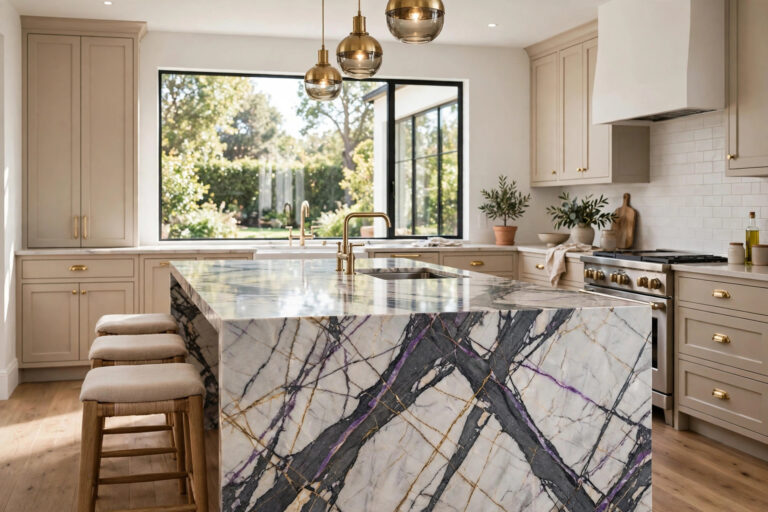
- Countertops
- Flooring
- Backsplashes
- Lighting fixtures
- Hardware
- Appliances
- Paint finishes
Many homeowners are surprised by how different a kitchen can look after these upgrades are completed.
For projects involving multiple upgrades, exploring complete kitchen remodeling services in Chula Vista can help establish a clear plan before construction begins.
Why Many Homeowners Choose to Keep the Existing Layout
Keeping the current layout is often a strategic decision rather than a compromise.
Lower Remodeling Costs
One of the biggest advantages is avoiding expensive utility relocation work.
Moving plumbing, gas lines, and electrical systems typically increases labor requirements and may require additional inspections.
By keeping these systems in place, homeowners can allocate more of their budget toward visible improvements that directly impact appearance and functionality.
Faster Project Timelines
Projects that avoid major structural modifications generally move through construction more efficiently.
Material installation can begin sooner because contractors are not waiting for extensive utility work or structural changes to be completed.
Less Construction Disruption
Maintaining the existing layout often reduces demolition and limits the amount of work occurring throughout the home.
This can make the remodeling process more manageable for families who remain in the home during construction.
Fewer Utility Relocation Challenges
Older homes throughout Chula Vista and South Bay neighborhoods may have plumbing or electrical systems that become more complex and costly when relocated. For related planning, see Kitchen Remodeling Linda Vista, CA | Kitchen Renovation & in Design Services.
Keeping these systems in their current locations often simplifies project execution.
High-Impact Upgrades That Transform a Kitchen Without Moving Walls
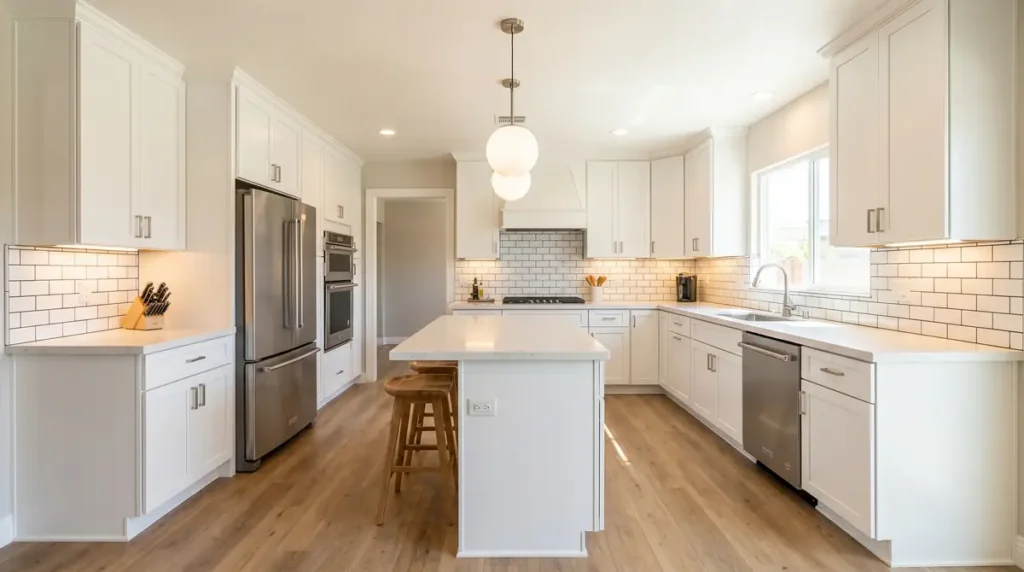
A same-layout remodel can still create a dramatic visual transformation.
New Cabinets or Cabinet Refacing
Cabinetry typically occupies the largest visual area in a kitchen.
Replacing outdated cabinets or upgrading existing ones can immediately modernize the space.
Homeowners evaluating storage and design improvements often benefit from reviewing available custom cabinetry solutions before finalizing their remodeling plans.
Countertop Replacement
Countertops have a major impact on both appearance and functionality.
Popular choices include:
- Quartz
- Granite
- Solid surface materials
- Porcelain surfaces
New countertops can instantly refresh an outdated kitchen while improving durability.
Updated Backsplash and Flooring
A new backsplash can introduce texture, color, and personality.
Likewise, modern flooring materials can create a more cohesive and contemporary appearance throughout the space.
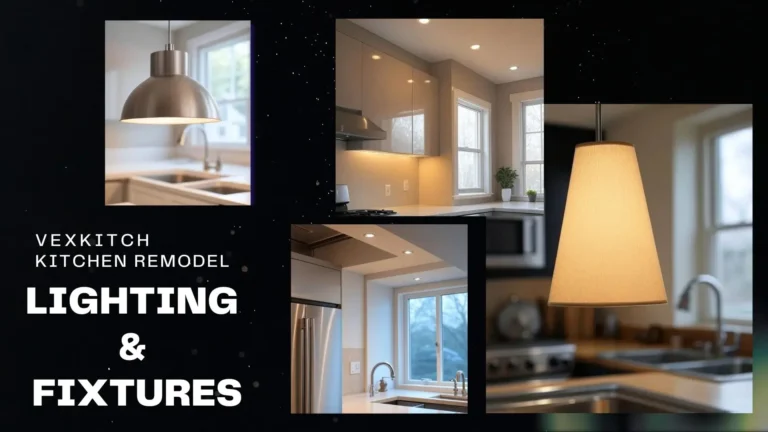
Modern Lighting and Fixtures
Lighting is frequently overlooked during kitchen renovations.
Strategic upgrades may include:
- Recessed lighting
- Pendant fixtures
- Under-cabinet lighting
- Decorative task lighting
Improved lighting often enhances both usability and aesthetics.
Appliance Upgrades
Modern appliances can improve efficiency, functionality, and visual consistency without requiring major layout changes.
How Functionality Can Improve Without Changing the Layout
Many homeowners focus primarily on appearance, but functionality can also improve substantially.
Better Storage Solutions
Storage upgrades can dramatically improve everyday use.
Examples include:
- Pull-out shelves
- Deep drawers
- Pantry organizers
- Corner cabinet systems
- Vertical storage accessories
These upgrades often increase usable storage without altering the kitchen footprint.
Improving Workspace Efficiency
Small adjustments can improve workflow throughout the kitchen.
Examples include:
- Reorganizing storage zones
- Upgrading prep areas
- Improving lighting placement
- Creating better accessibility
Adding More Usable Counter Space
Strategic cabinet design and improved organization can free up countertop areas that were previously cluttered.
This creates a more efficient workspace without changing the overall floor plan.
Incorporating a Kitchen Island When Space Allows
In some kitchens, there may be room to add workspace and seating while maintaining the existing room layout.
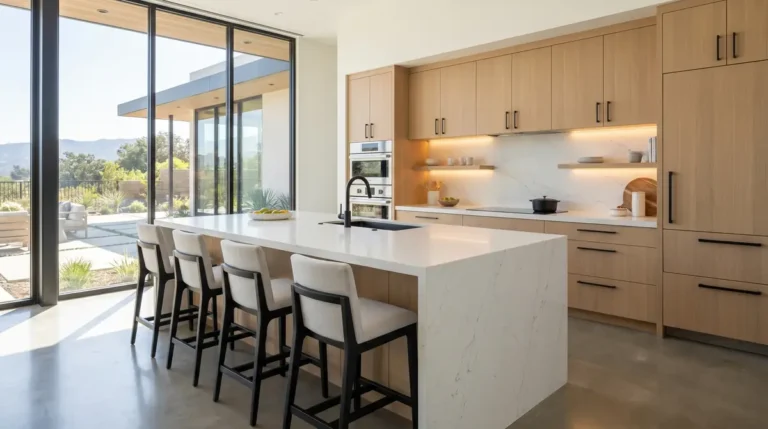
Homeowners considering this option can explore the benefits of adding a functional kitchen island to improve both convenience and storage.
Is It Cheaper to Remodel a Kitchen Without Changing the Layout?
In most cases, yes.
Avoiding utility relocation and structural modifications often reduces labor costs significantly.
Costs Typically Avoided
| Often Avoided Costs |
|---|
| Plumbing relocation |
| Gas line relocation |
| Structural modifications |
| Extensive electrical relocation |
| Major demolition work |
Costs That Still Remain
| Typical Remaining Costs |
|---|
| Cabinetry |
| Countertops |
| Flooring |
| Appliances |
| Lighting |
| Finishes |
Understanding ROI for Same-Layout Renovations
Many of the upgrades that remain—such as cabinets, countertops, and lighting—are among the most visible improvements buyers notice.
As a result, homeowners can often achieve meaningful improvements in both daily functionality and resale appeal while controlling project costs.
When Keeping the Layout May Not Be the Best Choice
Although maintaining the layout is often beneficial, there are situations where a redesign may provide better long-term value.
Poor Workflow and Traffic Flow
If multiple people struggle to move comfortably through the kitchen, layout changes may be justified.
Severe Storage Limitations
Some kitchens simply lack sufficient storage due to outdated design.
Closed-Off Floor Plans
Older homes sometimes contain isolated kitchen spaces that no longer fit modern living preferences.
Structural Constraints
Certain kitchens may have limitations that prevent meaningful functional improvements without reconfiguring the layout.
In these situations, homeowners may benefit from exploring interior kitchen layout improvements that address underlying design challenges rather than simply updating finishes.
Considerations for Older Homes in Chula Vista and South Bay
Many homes throughout the region were built during periods when kitchen design priorities differed significantly from today’s expectations.
Existing Plumbing Locations
Older plumbing configurations can influence remodeling decisions.
Keeping existing plumbing locations may reduce costs while still allowing substantial upgrades.
Electrical System Considerations
Some older homes may require electrical updates to support modern appliances and lighting systems.
Storage Challenges in Older Kitchens
Older floor plans often provide less storage than contemporary designs.
Carefully planned cabinetry upgrades can help address these limitations.
Balancing Modern Features with Existing Structures
A successful remodel balances modernization with practical construction realities.
This is particularly important when upgrading older homes throughout Chula Vista and neighboring South Bay communities.
Is a Same-Layout Kitchen Remodel Right for You?
Signs Keeping the Layout Makes Sense
- Your current workflow functions well
- Plumbing locations are practical
- Appliance placement works efficiently
- You want to control costs
- You prefer a faster project timeline
Signs a Full Redesign May Be Better
- Traffic flow feels restricted
- Storage is severely inadequate
- The room feels disconnected from adjacent spaces
- Existing layout limitations affect daily use
Questions to Ask Before Starting
- What problems am I trying to solve?
- Are they cosmetic or functional?
- Will new finishes address those concerns?
- Would a redesign create substantially better results?
Answering these questions can help determine the best remodeling strategy.
Frequently Asked Questions
How much does it cost to remodel a kitchen without changing the layout?
Costs vary based on materials, finishes, and project scope. However, avoiding plumbing and structural changes generally reduces overall remodeling expenses.
Is it cheaper to keep the same kitchen layout?
In most situations, yes. Keeping the layout avoids many labor-intensive modifications that increase project costs.
Can I replace cabinets without moving plumbing?
Yes. Cabinets can often be replaced while maintaining existing plumbing locations, provided the sink and related fixtures remain in the same general area.
Do I need permits if I keep the same layout?
Permit requirements depend on the work being performed. Electrical, plumbing, and structural changes may still require approvals even when the layout remains unchanged.
How long does a same-layout kitchen remodel take?
Timelines vary by project scope, but avoiding major utility relocation often helps shorten the construction schedule.
Can a kitchen look completely different without moving walls?
Absolutely. New cabinets, countertops, flooring, lighting, and appliances can dramatically transform the appearance of a kitchen while maintaining the original footprint.
Planning a Kitchen Remodel Without Major Layout Changes?
A successful kitchen renovation is not always about moving walls or redesigning the entire floor plan. In many cases, strategic upgrades can dramatically improve appearance, functionality, and long-term value while keeping the existing layout intact.
If you’re evaluating your options, working with experienced professional kitchen remodelers can help you determine whether a same-layout renovation or a full redesign is the better investment for your home.