Kitchen Backsplash Trends: Tile, Stone & Layout Ideas

A backsplash covers the strip of wall between the countertop and the upper cabinets, and it works harder than most homeowners expect. It catches grease, steam, and splashes from the stove and sink, and it sets the tone for the whole room. When the tile or stone feels dated, the entire kitchen reads as dated, even when the cabinets and appliances are in good shape. Kitchen backsplash trends have shifted toward materials with visible texture, larger formats, and layouts that run from counter to ceiling, and those changes suit the ranch, Mediterranean, and newer stucco homes across Chula Vista and the South Bay.
The choices below come from what Vexkitch Kitchen Remodeling sees in real projects around Eastlake, Otay Ranch, Bonita, and the older neighborhoods near Third Avenue. Each trend gets a straight look at where it works, what it costs in upkeep, and how it pairs with the counters and cabinets already in the room. The goal is a backsplash that looks current now and still looks right five years from now.

Zellige Tile: Gloss, Color Variation, and Handmade Character
Zellige tile starts with a problem many homeowners know well: flat, uniform tile can make a kitchen feel cold and showroom-like. Zellige answers that with glazed clay tiles that vary in tone from piece to piece. Each tile catches light a little differently, so the wall has movement without needing a bold pattern or a loud color. The glaze pools in the corners of each tile, which gives the surface a soft, watery depth that machine-made tile cannot copy.
The material suits kitchens that need warmth. White oak cabinets, warm wood islands, and cream-painted cabinetry all sit well against zellige in white, pale green, or soft clay tones. A deeper color, like forest green or dusty blue, works when the rest of the kitchen stays quiet, since the tile becomes the single strong color note in the room. Most projects in Chula Vista use zellige in a straight stack or a simple running bond, which keeps the focus on the glaze instead of the pattern.
Installation takes more care than standard ceramic tile. The tiles arrive with slight size differences and uneven edges, so the installer needs to plan the layout by hand and use narrow grout joints that follow the tile, not fight it. That handwork costs more in labor, and the glaze can chip if a heavy pan hits an edge, so many homeowners keep zellige away from the busiest stretch behind the range and use it on the main run of wall instead. Sealing the grout matters too, because the uneven surface gives grease more places to settle.
Where Zellige Works Best
- Kitchens with warm wood, cream cabinets, or soft neutral palettes
- Homes that want texture without a busy pattern
- Walls where the glaze can catch natural light from a window
- Spaces where the owner accepts handcrafted variation, not factory-perfect uniformity
Slab Backsplash: One Continuous Piece of Stone
A slab backsplash replaces dozens of tiles with a single piece of stone that runs from the countertop up the wall, often in the same material as the counter. The effect is calm and architectural. With no grout lines breaking up the surface, the eye reads one long, clean plane, and the kitchen feels larger and less cluttered. Quartz, quartzite, and marble all work for this treatment, and the look pairs well with handleless cabinets and minimal hardware.
The problem a slab solves is maintenance. Grout lines behind a stove collect grease and darken over time, and scrubbing them becomes a regular chore. A slab has no joints to stain, so a quick wipe with a damp cloth handles most splashes. That matters in kitchens where someone cooks most nights, and it matters in homes with hard water, where mineral deposits show up fast on porous grout.
Matching the slab to the counter takes planning. The stone needs to come from the same lot or a closely matched slab so the veining lines up at the seam where counter meets wall. Book-matched slabs, where two pieces mirror each other, create a striking focal point behind the range. The cost runs higher than tile because the material is cut to size and the installation needs two people and careful handling, but the result reads as a deliberate design decision rather than a safe default.

Handmade Tile: Texture You Can Feel
Handmade tile covers a wider family than zellige alone. It includes hand-pressed terracotta, hand-glazed subway tile, and small-format artisan squares, and all of them share one quality: the surface is not flat. Fingers can feel the ridges, the glaze varies across each piece, and the edges are slightly soft. That imperfection is the point. In a kitchen full of straight cabinet doors and flat stone counters, a handmade tile wall adds a layer of craft that keeps the room from feeling mass-produced.
Terracotta brings a warm, earthy tone that fits Mediterranean and Spanish-style homes common in South Bay neighborhoods. Hand-glazed subway tile in white or cream gives a classic look with more depth than a standard glossy subway. Small square tiles in a muted color read as quiet and collected, and they work well in compact kitchens where a large pattern would feel busy.
Durability depends on the glaze. A well-fired glaze stands up to daily cooking, while softer glazes can show wear near the stove. The installer should seal the grout and check the tile rating before it goes on a wall that takes direct heat and steam. Handmade tile also needs a realistic budget for waste, since the irregular pieces mean more cuts and more spares than a standard tile order.
Full-Height Backsplash: Tile That Runs to the Ceiling
A full-height backsplash takes the tile from the countertop all the way to the ceiling, including the wall behind the range hood and the space around open shelving. The problem it solves is visual: a short backsplash can leave a band of bare drywall above it that looks unfinished, especially in kitchens with tall ceilings or no upper cabinets on one wall. Running the tile up closes that gap and makes the wall feel intentional from top to bottom.
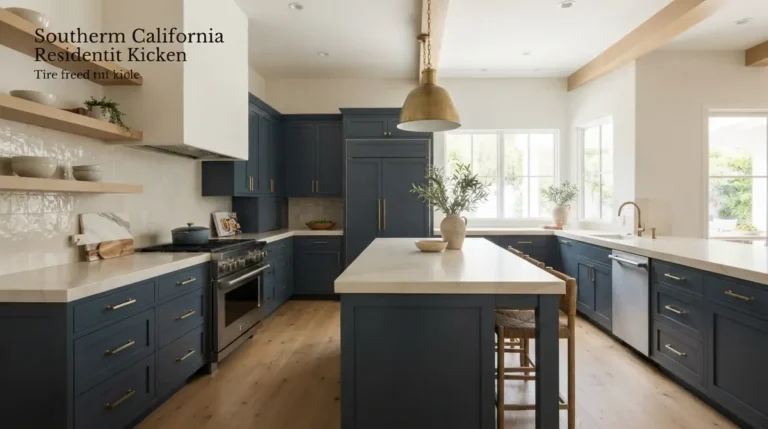
This treatment works best with a material that stays calm across a large area. A soft white handmade tile, a pale stone-look porcelain, or a quiet zellige all cover a tall wall without overwhelming the room. A bold pattern or a dark color can work too, but it needs a restrained counter and cabinet palette so the wall does not dominate the kitchen.
Cost rises with the square footage, and the detail work matters more. The edge where tile meets the ceiling needs a clean finish, and the wall behind the range hood needs careful cutting around the vent. In kitchens with open shelving, the tile runs behind the shelves, which looks sharp but means the shelves have to be mounted through tile. Planning the shelf and hood placement before the tile goes up avoids drilling into finished work.

Grout Choices That Change the Whole Look
Grout is a small detail with an outsized effect. A matching grout color lets the tile pattern fade into the background and keeps the focus on the glaze or stone. A contrasting grout color turns the joints into a grid, which suits a classic subway layout but can look busy with an already textured tile. For zellige and handmade tile, a grout color close to the tile tone is usually the safer call, since it lets the variation in the glaze carry the visual interest.
Epoxy grout resists stains better than cement grout, and it holds up well behind a stove where grease lands daily. Cement grout costs less and is easier to work with on uneven handmade tile, but it needs sealing and periodic resealing. Dark grout hides stains but shows dust and water spots; light grout looks clean when new and needs more upkeep. The right choice depends on how the kitchen gets used, not on what looks best in a showroom photo.
Layout Patterns: Stack, Herringbone, and Vertical
The layout pattern changes the character of the same tile. A straight stack, with tiles lined up in neat columns, reads modern and calm. A running bond, where each row is offset by half a tile, reads classic and familiar. A herringbone pattern adds movement and works well as a focal point behind the range, though it uses more material and more labor. A vertical stack, with subway tile set on end, makes a low ceiling feel taller and suits kitchens with short upper cabinets.
Herringbone and chevron patterns need a skilled installer, since every cut at the edge of the wall is angled. They also need a larger waste allowance, often 15 percent instead of the usual 10. For homeowners who want the pattern without the cost, a herringbone accent behind the range with a simpler layout on the rest of the wall gives the same focal effect for less.
Pairing the Backsplash With Counters and Cabinets
A backsplash never stands alone. The counter and the cabinets set the limits, and the tile has to work inside them. White quartz counters with soft gray veining pair well with almost any tile, since the counter stays quiet and lets the backsplash carry the pattern. A busy granite or marble counter needs a quieter backsplash, or the two surfaces compete and the kitchen feels restless.
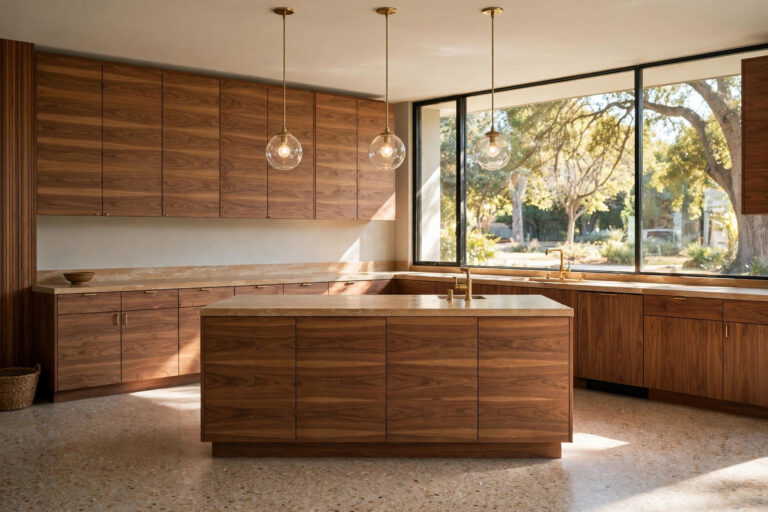
Warm wood cabinets, which show up in many Chula Vista remodels, pair well with cream, sage, or soft terracotta tile. White cabinets take a wider range of tile colors, from deep green to pale blue, because the cabinets act as a neutral frame. Dark cabinets need a lighter backsplash to keep the room from closing in, and a glossy glaze helps bounce light around a kitchen with limited windows.
The viola marble look shows how this pairing works in practice. A marble with soft violet-gray veining needs a backsplash that echoes the stone without copying it, and a pale handmade tile or a quiet slab does that well. Our viola marble kitchen ideas show how the stone, the tile, and the cabinet color work together as one palette rather than three separate choices.
What to Avoid: Durability and Cleaning Mistakes
A few common mistakes turn a good backsplash into a maintenance problem. Unsealed natural stone behind the range absorbs grease and stains within months. Porous grout left unsealed darkens fast in a kitchen where someone fries food or boils pasta often. Matte tile in a dark color shows every water spot and fingerprint near the sink. A tile with a soft glaze chips when a heavy pot knocks against it, and a bright white grout behind the stove will need scrubbing within the first year.
Cleaning habits matter as much as the material. A daily wipe with a damp cloth keeps grease from setting into grout. Harsh abrasive cleaners scratch glaze and dull stone, so a mild soap and a soft sponge are enough for most surfaces. Steam from a kettle or a pot can loosen grout over time, so the wall behind the range deserves the most durable material in the kitchen, not the most decorative one.
Budget planning deserves the same care. Tile cost is only part of the total; labor, grout, sealant, edge trim, and waste all add up. A handmade tile that looks affordable per square foot can cost twice as much installed as a standard ceramic, and a slab needs templating and handling that tile does not. Getting a clear scope before ordering material avoids the surprise of a half-finished wall and a second order of tile that does not match the first batch.
Planning a Backsplash That Lasts
The strongest backsplash projects start with the kitchen as it gets used, not with a photo. A household that cooks daily needs a surface that wipes clean and a grout that resists stains. A household that entertains often might put the budget into a focal wall behind the range and keep the rest of the tile simple. A home with hard water or a south-facing window needs materials that handle mineral spots and strong light without fading or showing every mark.
Working with a local remodeling team helps here, since the installer knows which materials hold up in South Bay homes and which ones look good in a showroom but struggle in a real kitchen. Our kitchen backsplash and flooring services cover tile and stone installation as part of a full remodel, so the backsplash, the counters, and the cabinets get planned together instead of one at a time.
A backsplash is a small surface with a large effect on how a kitchen feels. Zellige adds warmth and light, a slab adds calm and easy cleaning, handmade tile adds craft, and a full-height run adds a finished look from counter to ceiling. The right choice is the one that fits the cabinets, the counters, and the way the household actually cooks. Pick the material that handles daily use first, then let the color and pattern follow.
Free Download: Kitchen Backsplash Trends Planning Checklist
Planning a backsplash? Download our one-page checklist to work through material, layout, grout, and budget decisions before you order tile.
Download the Kitchen Backsplash Trends Planning Checklist (PDF)
Frequently Asked Questions
What is the most popular kitchen backsplash trend right now?
Zellige tile and full-height handmade tile are the most requested looks in Chula Vista remodels, with slab backsplashes close behind. Homeowners want texture and easy cleaning, and those three options deliver both.
Is a slab backsplash better than tile?
A slab has no grout lines to stain, so it cleans faster and suits busy kitchens. Tile offers more color and pattern choices at a lower material cost, so the better option depends on budget and how the kitchen gets used.
Does zellige tile work behind a stove?
Zellige works behind a stove when the grout is sealed and the glaze is rated for heat and moisture. Many homeowners use a slab or a durable porcelain behind the range and zellige on the rest of the wall.
How high should a backsplash go?
A standard backsplash runs 18 inches from the countertop to the upper cabinets. A full-height backsplash runs to the ceiling and suits kitchens with tall ceilings, open shelving, or a statement range wall.
What grout color should I choose for a backsplash?
A grout color close to the tile tone keeps the focus on the tile and hides stains better over time. Contrasting grout suits a classic subway layout but makes the grid pattern the main visual feature.
How do I clean a handmade tile backsplash?
Wipe it daily with a damp cloth and mild soap, and avoid abrasive cleaners that can scratch the glaze. Reseal the grout once a year to keep grease and moisture from soaking in.
Planning Your Kitchen Backsplash Project?
A backsplash sets the tone for the whole kitchen, and getting the material, layout, and grout right the first time saves rework later. Vexkitch Kitchen Remodeling has completed 700+ projects since 2017 across Chula Vista and the South Bay, and the team plans backsplashes as part of a full kitchen remodel so the tile, counters, and cabinets work together.
Explore our complete kitchen remodeling services in Chula Vista to start planning your project, or reach out through the contact page to schedule a consultation.