Kitchen Remodeling for Rental Properties: What to Upgrade First

Owning a rental property means every renovation dollar has to work harder. Unlike a homeowner remodeling a kitchen for personal enjoyment, landlords need upgrades that reduce maintenance calls, hold up across multiple tenancies, and justify the rent you’re asking for.
The challenge is knowing where to start when the budget is limited and the kitchen has more than one issue competing for attention.
This guide breaks down a practical upgrade order for rental property kitchens, based on what actually affects tenant retention, turnover cost, and long-term durability.
It also covers budgeting frameworks, material choices suited to multi-tenant wear, and a few local considerations for owners of older housing stock in Chula Vista and the surrounding South Bay.
Why Rental Kitchen Upgrades Need a Different Strategy Than Homeowner Remodels
A homeowner remodeling their own kitchen is usually optimizing for personal taste, daily comfort, and long-term enjoyment of the space. A landlord is optimizing for something different: how quickly the unit can be re-rented, how few maintenance calls it generates, and how much of the renovation cost gets recovered through rent or reduced vacancy.
That difference in goals changes almost every decision in the remodel. A homeowner might choose a statement tile backsplash or a specialty finish. A landlord is better served by materials that are easy to clean, resistant to daily wear, and simple to repair or replace in sections rather than as a whole.
If you’re weighing kitchen upgrades against other improvements across a small portfolio of units, the same durability-first thinking that applies to our commercial kitchen renovation services for business spaces applies here — the goal is functional performance over time, not just first impressions.
Start With Functional and Safety-Critical Upgrades First
Before any surface-level improvements, address anything that affects safety, tenant complaints, or the risk of costly emergency repairs. These issues tend to be invisible on a walkthrough but expensive when ignored.
Plumbing and Water Damage Issues
Slow leaks, aging supply lines, and outdated shut-off valves are among the most common sources of tenant maintenance requests and, if left unaddressed, can lead to water damage that costs far more than a planned upgrade.
If your rental has original plumbing from an older build, it’s worth having it evaluated before you invest in new countertops or cabinetry that could be disturbed later. Our kitchen plumbing upgrades address exactly this kind of preventative work, so it’s handled before cosmetic changes go in, not after.
Aging Appliances and Electrical Concerns
Mismatched or failing appliances are a frequent cause of maintenance tickets between tenants. Outdated electrical outlets or insufficient circuits for modern appliances can also create both a safety issue and a tenant complaint. Addressing these upfront prevents having to reopen finished cabinetry or flooring later to fix an electrical problem you knew about but deferred.
What Is the 30% Rule in Kitchen Remodeling?
The 30% rule is a general budgeting guideline suggesting that the kitchen should account for roughly 30% of a whole-home renovation budget, since it’s typically the most heavily used and highest-impact room in the property. For landlords managing renovation dollars across multiple rooms or multiple units, this rule offers a starting point for allocation rather than a strict requirement.
In a rental context, this framework is useful for deciding how much of your total property improvement budget the kitchen should reasonably consume before moving on to bathrooms, flooring, or exterior work. If your kitchen is functionally sound but visually dated, you may need less than 30%. If it has plumbing, electrical, or layout problems, it may require more.
In What Order Should a Rental Kitchen Be Remodeled?
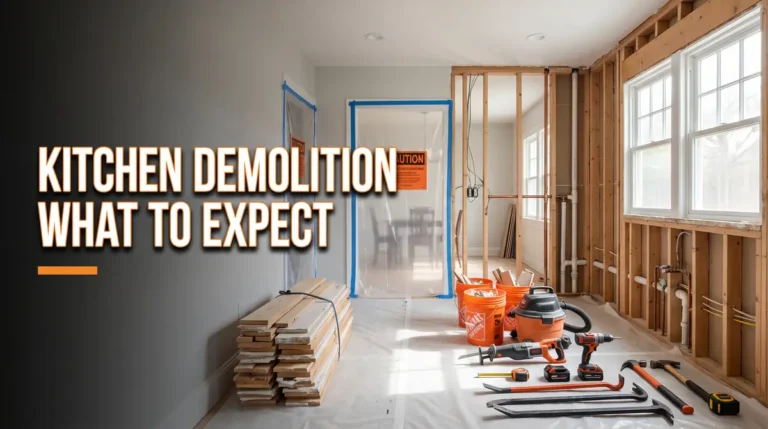
Following a consistent sequence keeps a rental remodel on budget and avoids redoing finished work. For most rental properties, this order works well:
- Structural, plumbing, and electrical fixes
- Cabinetry repair, refacing, or replacement
- Countertops
- Backsplash and flooring
- Lighting and fixtures
- Cosmetic finishing touches (paint, hardware, final details)
This sequence exists for a practical reason: each step protects the investment made in the step before it. Installing new countertops before confirming the plumbing is sound, for example, risks having to remove them again for a repair.
High-ROI Surface Upgrades for Rental Kitchens
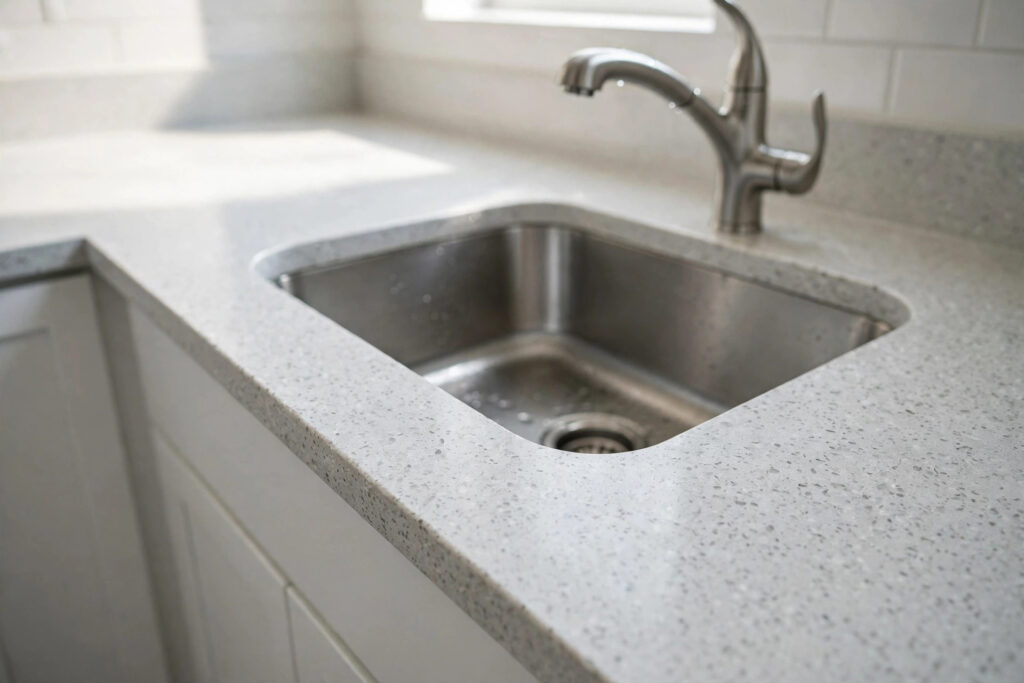
Once functional issues are addressed, surface-level upgrades are where perceived value per dollar tends to be highest for prospective tenants.
Countertops That Withstand Tenant Turnover
Countertops are one of the first things a prospective tenant notices during a showing, and one of the hardest-working surfaces in daily use.
Materials selected for durability and stain resistance tend to perform better across multiple tenancies than lower-cost alternatives that show wear quickly.
Our countertop installation services can help you compare options based on long-term performance, not just upfront cost.
Cabinet Refacing vs. Full Replacement
If cabinet boxes are structurally sound, refacing doors and drawer fronts is often a more cost-effective way to modernize the kitchen than a full replacement.
This is particularly relevant for rental properties, where the goal is a clean, functional look rather than a custom design statement.
Backsplash and Flooring Choices Built for Durability
Backsplash and flooring materials in a rental kitchen should prioritize cleanability and resistance to scuffs, moisture, and daily wear over trend-driven finishes. Our flooring upgrades for kitchens are selected with that longevity in mind.
Durability-First Material Choices for Multi-Tenant Properties
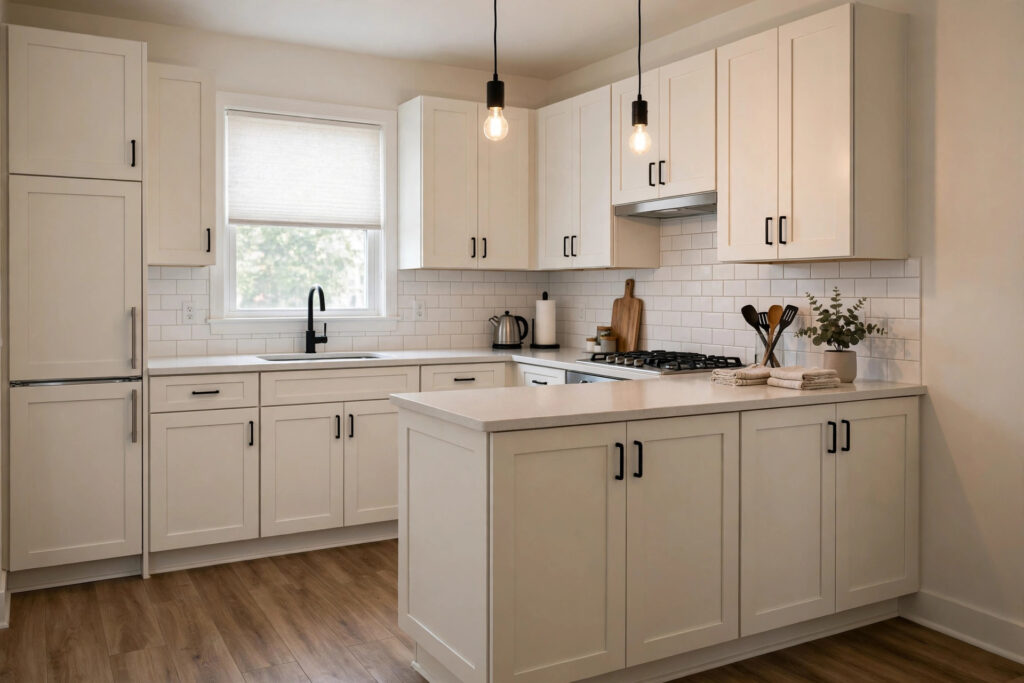
A homeowner might choose materials based on how they look in their own daily life for years to come. A landlord needs materials that hold up under different tenants, different habits, and less consistent day-to-day maintenance. In practice, this usually means favoring:
- Non-porous, stain-resistant countertop surfaces
- Cabinet finishes that resist scratching and moisture
- Flooring that can be spot-repaired without replacing an entire section
- Simple, replaceable lighting and hardware rather than specialty fixtures
This approach reduces the frequency and cost of maintenance calls between tenancies, which is often a bigger driver of long-term ROI than the upgrade’s appearance on move-in day.
What Renovations Increase Rental Value?
Kitchen and bathroom renovations consistently rank among the improvements most likely to influence rent pricing and tenant retention, alongside amenities tenants actively look for, such as in-unit laundry or usable outdoor space.
Renovations in these categories are generally understood to recover a meaningful share of their cost through higher achievable rent and reduced vacancy time, making the kitchen one of the highest-visibility investments a landlord can make in a rental unit.
Permits and Compliance Considerations for Rental Kitchen Remodels
Plumbing and electrical changes in a rental kitchen may require permits depending on the scope of work, particularly if fixtures are being relocated or circuits are being added. This is worth reviewing early in the planning process, especially for occupied units where timing and tenant notice also come into play.
Full Remodel vs. Turnover Upgrade: Choosing the Right Investment Level
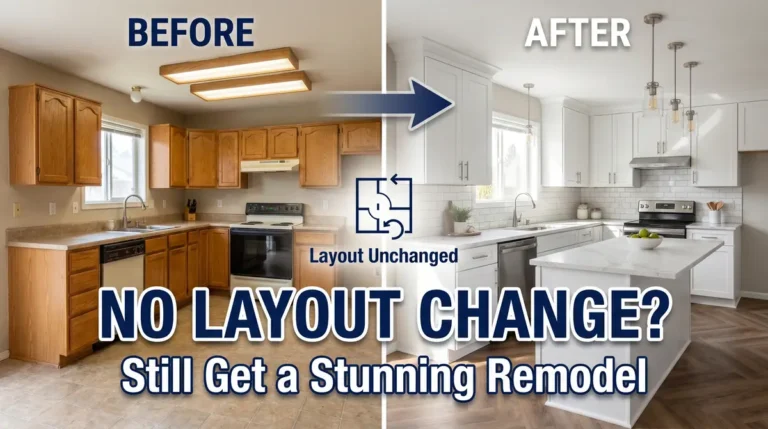
Not every rental kitchen needs a full remodel. If the space is functionally sound and simply due for a refresh between tenants, a lighter turnover upgrade new countertop, refaced cabinets, updated lighting may be the more efficient investment.
If the kitchen has recurring plumbing issues, outdated electrical, or a layout that limits usability, a full remodel is usually the better long-term decision.
Our team can walk through your property and help determine which path makes sense based on the kitchen’s condition, your budget, and your goals for the unit.
Whether the plan is a targeted turnover refresh or a complete renovation, our complete kitchen remodeling services in Chula Vista are built around that same durability-first, ROI-focused approach.
Free Download
Rental Kitchen Upgrade Order Checklist — a one-page printable covering the upgrade sequence, durability-first material picks, and budget and permit checks from this article, with checkboxes you can bring to a property walkthrough.
Download the Rental Kitchen Upgrade Order Checklist (PDF)
Frequently Asked Questions
What should I replace first in a kitchen remodel?
Start with anything affecting safety or function, such as plumbing issues, aging electrical, or failing appliances, before moving to surface upgrades like countertops and cabinetry.
What is the 30% rule in remodeling?
It’s a general guideline suggesting the kitchen should account for roughly 30% of a whole-property renovation budget, useful as a starting point for allocating funds across multiple rooms or units.
How much does a rental kitchen remodel typically cost?
Cost varies widely based on scope, from a light turnover refresh to a full remodel involving plumbing, cabinetry, and countertops. A consultation is the most reliable way to get an accurate estimate for your property.
Do older Chula Vista rental homes need special consideration during a kitchen upgrade?
Many rental properties in Chula Vista and the surrounding South Bay have older plumbing and electrical systems, so it’s worth having these evaluated before finalizing a remodel plan, even if the main goal is a cosmetic update.
How long does a rental kitchen remodel take between tenants?
Timelines depend on scope, but functional repairs paired with surface upgrades can often be completed within a turnover window when planned in advance and coordinated with your property’s vacancy schedule.
Planning Your Rental Property’s Kitchen Upgrade?
If you’re weighing where to start, our team can help you prioritize upgrades based on your property’s condition and your budget, rather than guesswork.
Reach out through our contact page to schedule a consultation, or explore our complete kitchen remodeling services in Chula Vista to see how a structured, ROI-focused approach can work for your rental.